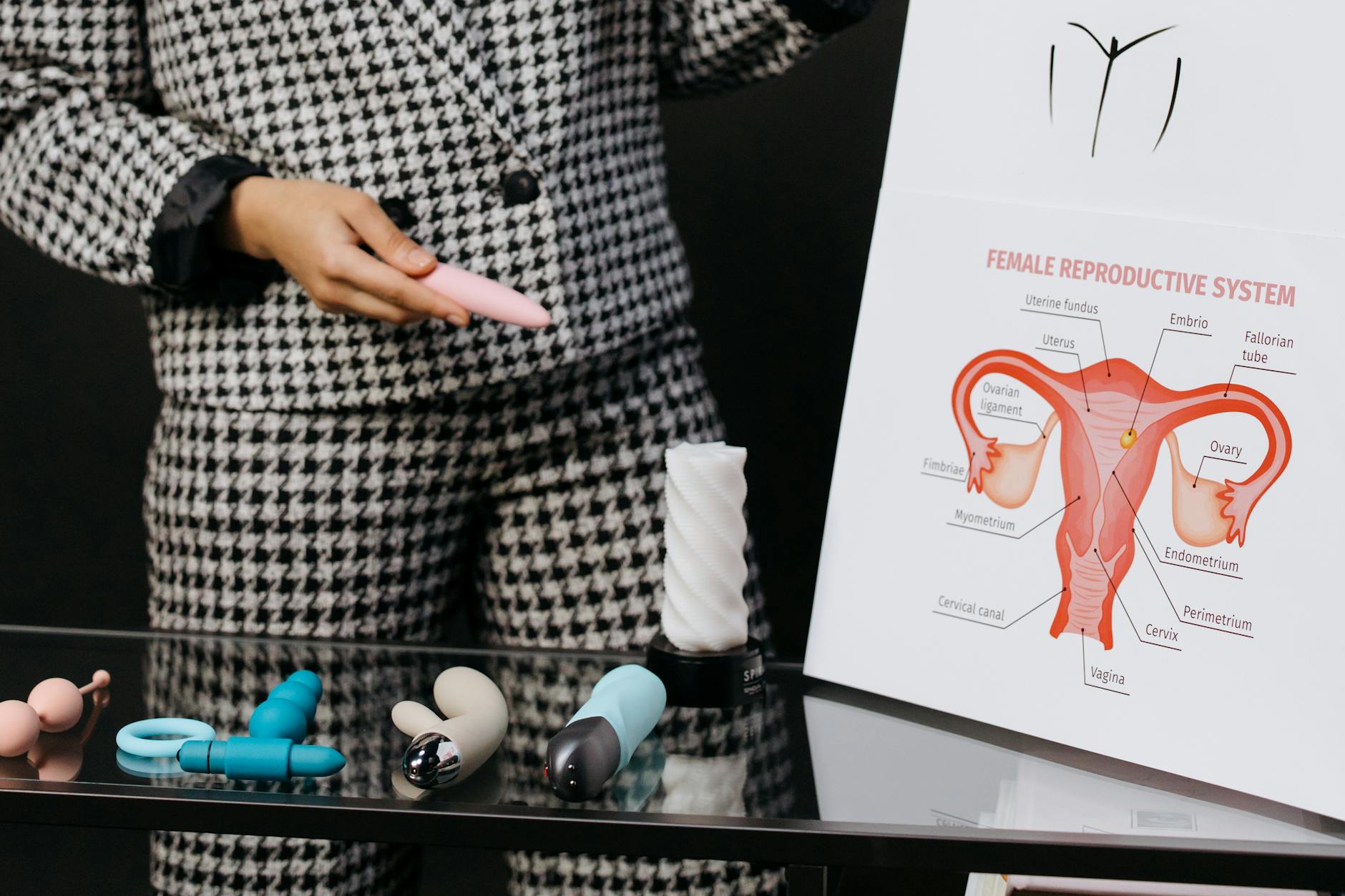
The Science of Orgasm: Understanding Your Body’s Path to Peak Pleasure
For many, the physical experience of an orgasm is shrouded in mystery. While it is often discussed in terms of emotion or connection, the biological response behind the experience is rooted in complex neurological and physiological processes. By understanding the anatomy involved and the science of how your body reacts, you can move past common frustrations and lean into a more fulfilling sexual life.
Understanding the mechanics of pleasure is not just academic; it is a practical step toward sexual empowerment and improved intimacy.
Common Challenges: Why Pleasure Isn’t Always Guaranteed

Despite the biological capacity for peak pleasure, many individuals encounter recurring roadblocks. Common pain points include:
Performance Anxiety: The mental pressure to reach a “finish line” can trigger the sympathetic nervous system, shifting your body into a “fight or flight” state that actively inhibits arousal.
Anatomical Misconceptions: Many people focus on penetration as the primary route to climax, often overlooking the complexity of the clitoral structure, which is the primary source of stimulation for the majority of people assigned female at birth.
Lack of Physiological Arousal: Without sufficient blood flow (vasocongestion), the sensitive tissues required for climax do not engorge, making it physically difficult to reach the threshold of orgasm.
Why These Issues Occur
These challenges rarely stem from a “broken” body. Instead, they are usually the result of a disconnect between the brain and the body:
1. The Brain as the Primary Sex Organ: The brain controls the release of dopamine, oxytocin, and norepinephrine. When you are stressed, distracted, or worried about your partner’s satisfaction, your brain inhibits the signals necessary for the nervous system to process pleasure.
2. Anatomical Neglect: The anatomy of pleasure is vast. Relying on one specific technique or type of stimulation ignores the body’s need for variety, intensity, and sustained focus.
3. The “Goal-Oriented” Trap: By focusing solely on the end result, you skip the “plateau phase” of the sexual response cycle, where the body builds the necessary tension required for a meaningful climax.
Actionable Strategies for Peak Pleasure
To bridge the gap between your current experience and your potential for peak pleasure, consider these evidence-based strategies:
1. Prioritize Vasocongestion
The physiological foundation of orgasm is blood flow.
Warm-up: Allow more time for foreplay. It can take 20 to 30 minutes for the body to reach full vasocongestion.
Stay Present: Use mindfulness techniques—focusing on the sensations of touch or your breathing—to keep your nervous system in the “rest and digest” state, which is essential for blood flow to the pelvic region.
2. Diversify Your Anatomy Map
Don’t rely on a single method. Explore the full range of your anatomy.
Clitoral Stimulation: For many, consistent, rhythmic clitoral stimulation is the most reliable path to climax. Don’t be afraid to incorporate this during intercourse or as a standalone practice.
Vary the Pressure and Pace: The nerve endings respond differently to varying intensities. Experiment with light, feather-like touches versus firmer, more direct pressure to see how your biological response changes.
3. Remove the Performance Pressure
The pressure to “perform” is the enemy of pleasure.
Redefine Success: Shift your goal from “reaching orgasm” to “exploring sensation.” When you remove the pressure of the destination, you often find that the journey itself leads to a more natural and intense climax.
Communicate Needs: Use direct, non-judgmental language to guide partners on what feels good. Providing real-time feedback helps remove the guesswork, allowing you to stay focused on your own physiological feedback loop.
4. Practice “Sensate Focus”
This is a clinical exercise used to increase body awareness.
Spend time touching and being touched without the expectation of sex or orgasm. This trains your brain to focus on the pleasure of the moment, building the neural pathways associated with arousal and relaxation.
The Bottom Line
Achieving peak pleasure is not about luck; it is about understanding your unique anatomy and working with—not against—your body’s biological response. By shifting your focus toward mindfulness, patience, and a deeper understanding of your own physiological needs, you can transform your sexual experience from a source of anxiety into a natural, consistent, and deeply rewarding part of your life.